FAMILY OWNED & OPERATED · ADDISON, TEXAS
Garage Door Repair in Addison & DFW
Get your day back on track. Clear options and dependable service for your home or business.

Get your day back on track. Clear options and dependable service for your home or business.
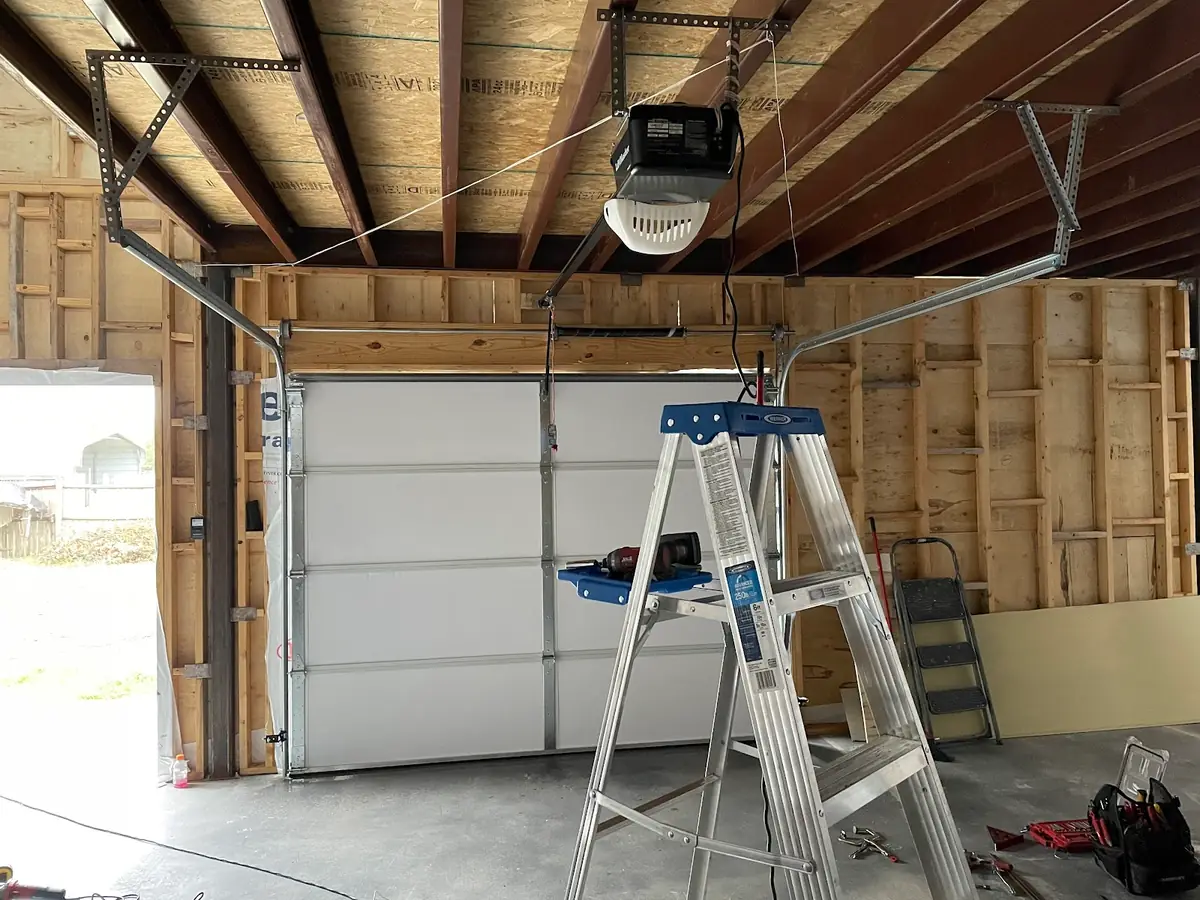
A garage door is a connected system: panels, rollers, tracks, cables, springs, and an opener all need to work together. A door that hesitates, shakes, or reverses may have more than one underlying issue. We assess the system before recommending parts so you can make a decision based on the actual problem.
A reliable repair starts with the symptom you notice and follows it back to the component causing it. Replacing an opener because the door will not move can miss a broken spring. Adjusting travel settings because the door reverses can miss a track obstruction. Tell us what changed, when it happens, and whether the problem affects opening, closing, or both.
Talk with our local garage door team214-326-3095Based in Addison, Lindsey Garage Door Repair serves homes and businesses across approximately 25 miles of the surrounding DFW area. Share your address and the symptoms you are seeing so we can confirm coverage and plan the assessment. Our family owned and operated company explains the proposed work before you decide.
If the door has suddenly become heavy, read about garage door spring replacement. If the wall button works but the remote does not, garage door opener repair may be the next step. For extensive section damage, compare the repair with garage door installation.
Tell us whether the motor runs, whether the door moves at all, and whether it stops at the same point each time. An opener fault can look like a mechanical door problem, and a heavy or binding door can strain a working opener. Diagnosis helps separate the two.
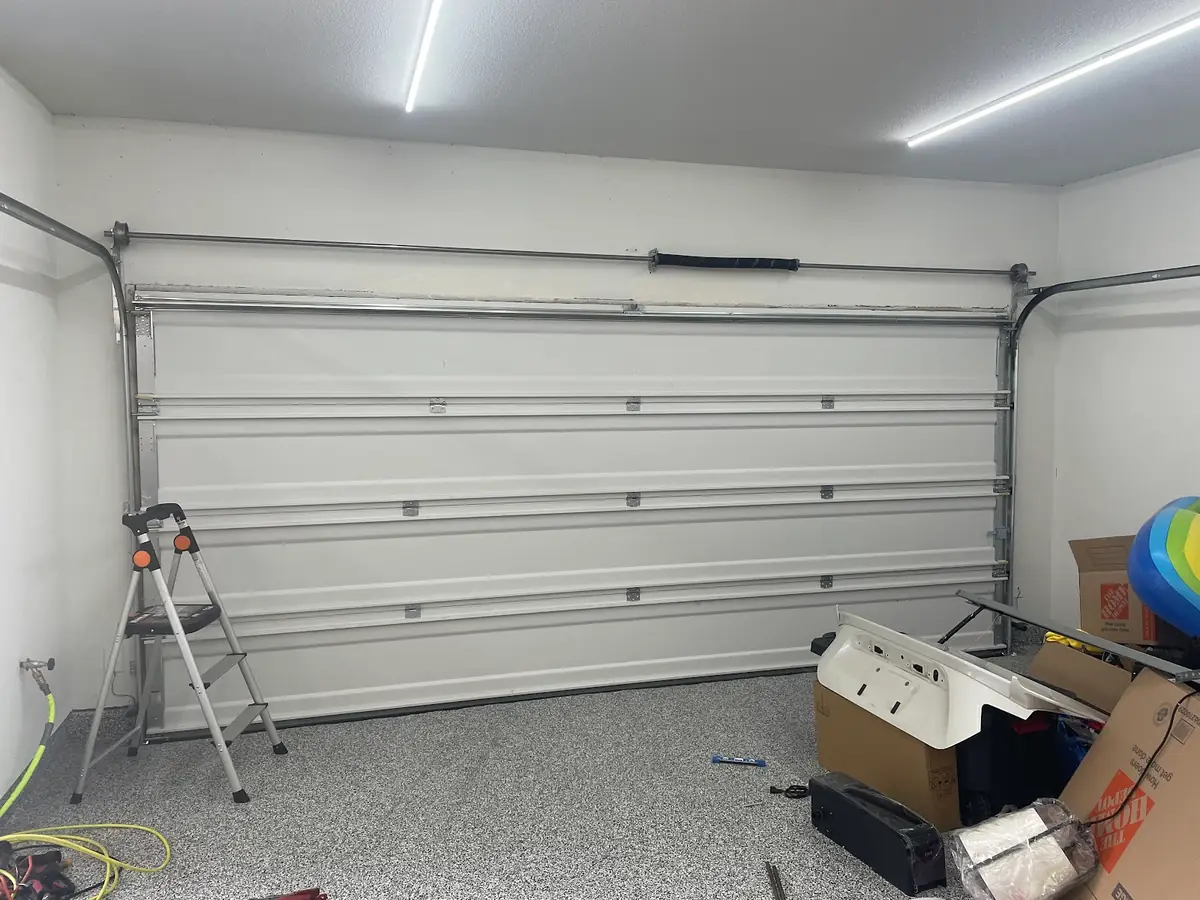
The cables transfer the force from the spring system to the door. A loose cable, uneven lifting, or a door that sits crooked can point to a problem with that system. The visible cable may be only part of the issue: door balance, drum condition, and track alignment also influence how the door travels.
An assessment should consider why the cable came loose or was damaged before replacement is proposed. Keep clear of a tilted door and leave tensioned hardware in place. Forcing the opener can pull the door farther out of alignment and add damage to otherwise usable parts.
Rollers guide the door through the track, while hinges let the sections turn as the door opens. Wear in either can cause vibration, scraping, or a rough transition through the curved track. Noise that develops gradually should be described differently from a sudden bang followed by a door that will not lift.
The repair may involve selected hardware rather than the complete door. Roller dimensions, track condition, hinge positions, and the weight of the door matter when choosing parts. Ask which components are worn and which are still serviceable so the scope of work is clear.
Impact damage can affect more than the visible dent. A bent section may no longer follow the track correctly, and an otherwise straight door can bind if the track has moved. We consider panel condition, fastening points, and how the sections meet before discussing a repair.
A matching replacement section depends on the model and available parts. Differences in age, finish, and window style may remain visible even when a replacement fits mechanically. Compare that result with a whole-door replacement when appearance or repeated structural damage is a concern.
Grinding, scraping, or a crooked door calls for a closer look at the rollers, hinges, tracks, and lifting hardware. Repeatedly cycling a damaged door can make the problem worse. Stop using a door that is off track, hanging unevenly, or has loose cables, and arrange service.
An isolated hardware issue does not necessarily mean you need a whole new door. The condition of the sections, availability of matching parts, and extent of damage all matter. For an older door with several recurring issues, compare the proposed repair cost with a replacement before deciding.
Repair is often worth considering when the sections are sound and the issue is limited to operating hardware. Replacement deserves a closer look when several sections are damaged, compatible parts are unavailable, or the door no longer meets your needs. An assessment should explain both the immediate fault and the condition of the rest of the system; the recommendation should not rest on the age of the opener alone.
Repair pricing depends on the failed components, the condition of the remaining hardware, and whether matching parts are available. A roller or sensor issue has a different scope from impact damage or an off-track door. Ask for the proposed work and parts to be explained before approving a repair.
For a proposal tied to your door, request a garage door repair assessment. Include any recent repairs, recurring symptoms, and access restrictions so we can discuss the work with the right context.
Have your service address and any model information ready. Mention restricted access, a shared driveway, or a property manager who needs to approve the work. Scheduling and arrival timing are confirmed directly.
Tell us about your doorShare the symptoms or the project you have in mind. The assessment considers the door, operating hardware, and controls together so the proposed work addresses the cause of the problem.
Discuss the findings, suitable parts or equipment, and the scope and pricing before approving the work. Ask about anything that depends on product availability or additional site preparation.
Completed work is checked for operation. Review the controls and any care guidance, keep the product information, and ask which symptoms would warrant a follow-up visit.
After repairs, pay attention to changes in sound and movement during ordinary use. Report a recurring hesitation, uneven travel, or a new scrape rather than repeatedly cycling the door. Follow the care instructions for your specific door and opener, and discuss a suitable inspection interval based on use and condition. Keep tracks clear of stored items and make sure the area around the safety sensors remains unobstructed.
Need help deciding what your door needs? Call with the symptoms and we’ll discuss the next step.
214-326-3095That depends on the door model, availability of a matching section, and whether the damage affects the rest of the system. A photo and model information can help start the conversation.
Your service address, a description of the symptoms, and the door or opener model if you know it. Mention if a vehicle is trapped or the door cannot secure the property.
Possible causes include binding hardware, a balance problem, or an opener fault. Where it stops and whether it does so consistently help guide diagnosis. A door that is crooked or unstable should not be operated again until it is assessed.
Only when the agreed scope calls for one. Door hardware and the opener are assessed as related but separate systems. Ask whether the existing opener can continue to be used after the mechanical issue is corrected.