FAMILY OWNED & OPERATED · ADDISON, TEXAS
Garage Door Spring Replacement in Addison & DFW
The right spring. The right balance. Clear options and dependable service for your home or business.

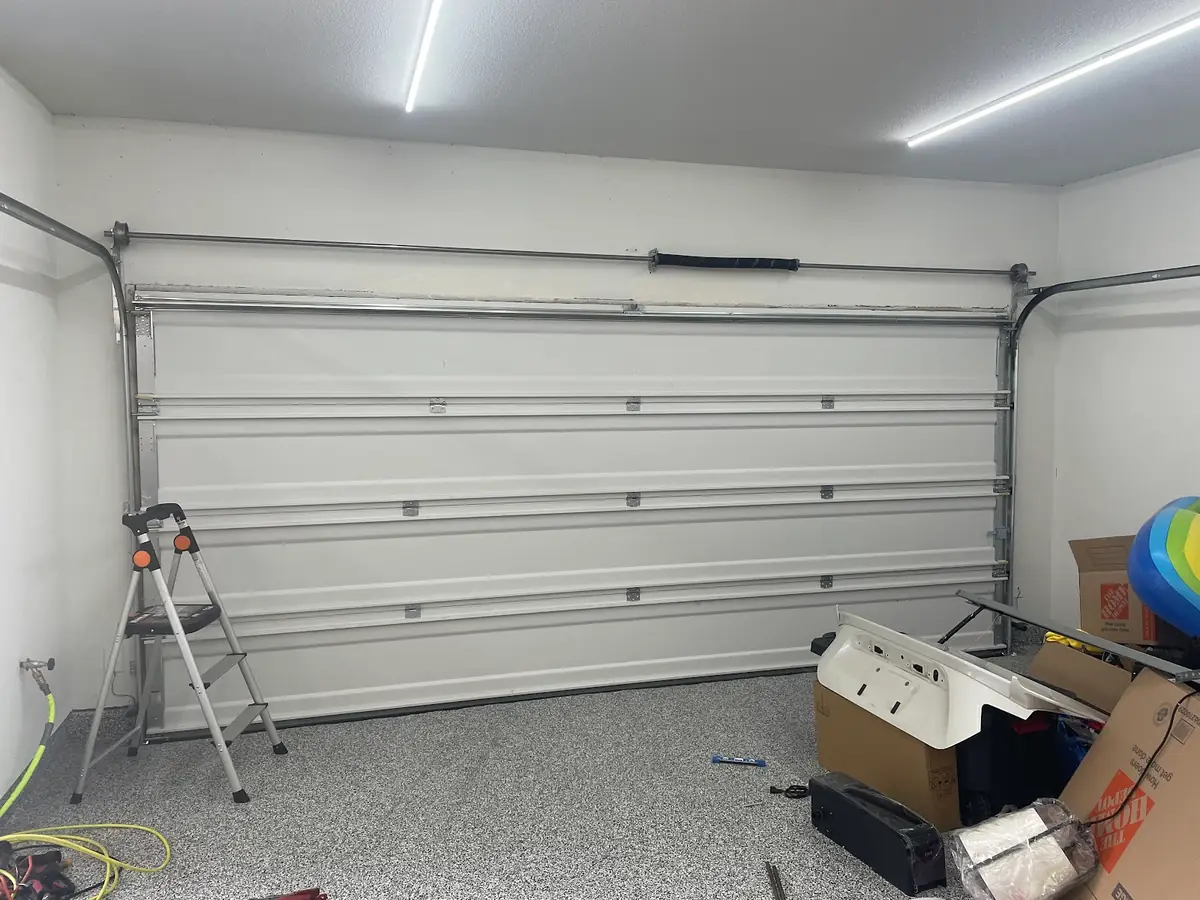
The right spring. The right balance. Clear options and dependable service for your home or business.
Garage door springs counterbalance the weight of the door. When a spring breaks, the opener may struggle or the door may barely move. Replacement is about matching the spring system to the door—not simply fitting a part that looks similar.
The spring system does the lifting work that makes a heavy garage door manageable. When it loses tension or breaks, the effect can look like a failed opener even though the motor still runs. Spring replacement should address the door’s balance and the condition of the lifting components together, with the proposed parts explained before work begins.
Talk with our local garage door team214-326-3095Based in Addison, Lindsey Garage Door Repair serves homes and businesses across approximately 25 miles of the surrounding DFW area. Share your address and the symptoms you are seeing so we can confirm coverage and plan the assessment. Our family owned and operated company explains the proposed work before you decide.
A broken spring can strain the opener, but replacing the motor does not correct the balance of the door. We can discuss garage door opener repair if the operator also needs attention. Uneven travel or damaged lifting hardware may call for garage door repair as part of the same assessment.
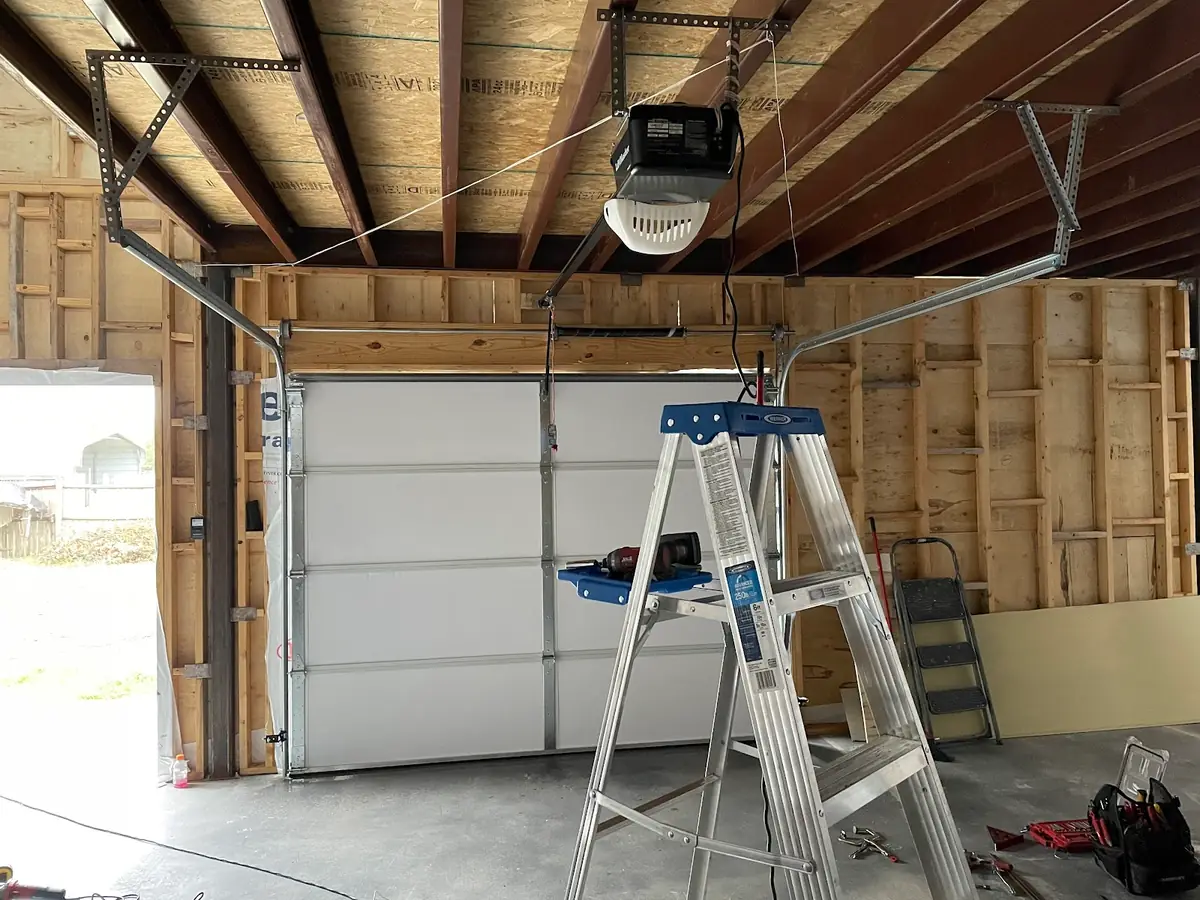
A loud bang from the garage, a visible gap in a torsion spring, or a door that suddenly feels much heavier can indicate a spring problem. These symptoms need an inspection; do not repeatedly run the opener to try to lift the door.
Torsion springs are commonly mounted on a shaft above the door opening. Extension springs use a different arrangement alongside the horizontal tracks. The layout determines which supporting hardware must be inspected and how the replacement is specified. A photo taken from a safe position can help identify the existing arrangement when you call.
Do not assume that a spring with the same visible length is interchangeable. Door weight, spring dimensions, and the lifting geometry work together. Changes such as added overlays or replacement sections may also affect the balance requirements of an older door.
A door may have more than one spring sharing the load. When one fails, the other may still be intact but have experienced a similar number of operating cycles. That does not create one answer for every door: the condition of the companion spring and the appropriate matched arrangement should be discussed.
Ask what is included in the proposal and whether the recommendation concerns one spring or the pair. The important result is a properly specified system for the door, with any related wear on cables, drums, bearings, or mounting hardware identified rather than overlooked.
A motor that hums or moves the door only a few inches may be reacting to a door that has lost its counterbalance. Repeated attempts to lift it can add load to the opener and its connection to the door. Stop cycling the system when a broken spring is suspected.
Spring service and opener replacement solve different problems. Once the lifting system has been assessed, the opener can be evaluated for any separate fault. A more powerful motor should not be used as a substitute for correcting an unbalanced door.
Door weight, dimensions, lift arrangement, and the existing hardware influence spring selection. We evaluate the counterbalance system and discuss the appropriate replacement. If the door uses two springs, ask about the condition and expected remaining life of the companion spring.
The springs support the door’s weight while the opener controls its movement. Service includes checking how the door travels and whether the system is balanced. Cables, drums, and related hardware should be evaluated alongside the failed spring.
Springs and lifting components store significant energy. Do not loosen spring brackets, adjust cables, or attempt to wind a spring. Keep the area clear and call to discuss the next available service visit.
Compare proposals by the specified spring system, related hardware work, labor, and the checks included after replacement. Door size by itself does not identify the correct part. Discuss how often the door is used and ask what any stated cycle rating or warranty covers. Coverage and exclusions should come from the actual proposal or manufacturer information, rather than assumptions about a generic replacement.
The correct spring system is determined by the door weight, dimensions, and lifting arrangement. The number of springs, hardware condition, and related cable or drum work can change the scope. Compare the specified parts and labor rather than assuming every spring replacement is the same.
For a proposal tied to your door, request a garage door spring replacement assessment. Include any recent repairs, recurring symptoms, and access restrictions so we can discuss the work with the right context.
Have your service address and any model information ready. Mention restricted access, a shared driveway, or a property manager who needs to approve the work. Scheduling and arrival timing are confirmed directly.
Tell us about your doorShare the symptoms or the project you have in mind. The assessment considers the door, operating hardware, and controls together so the proposed work addresses the cause of the problem.
Discuss the findings, suitable parts or equipment, and the scope and pricing before approving the work. Ask about anything that depends on product availability or additional site preparation.
Completed work is checked for operation. Review the controls and any care guidance, keep the product information, and ask which symptoms would warrant a follow-up visit.
Once service is completed, follow the maintenance instructions for the installed components. Listen for new rubbing or scraping and report a door that begins lifting unevenly. Do not adjust spring tension or cable attachments yourself. A spring failure can be sudden, so keeping the area clear and arranging an assessment when operation changes is more useful than waiting for the opener to stop completely.
Need help deciding what your door needs? Call with the symptoms and we’ll discuss the next step.
214-326-3095Do not use the opener to force a door with a suspected broken spring. It can strain the opener and leave the door unsupported. Arrange professional service.
The spring system, door weight, number of springs, hardware condition, and work required. Pricing is discussed after the system is assessed.
A photo can help identify the arrangement, but it does not establish the correct replacement specification. The door and counterbalance requirements need to be evaluated together.
It depends on the cause. Cables, tracks, rollers, and other lifting hardware may also need attention. Mention uneven movement when arranging service so the whole system can be evaluated.